Reasons makers stay with us
Why Craft Producers Choose Our Fibre-First Approach
The advantages below are the reasons makers across the Benelux keep coming back to us. Each one reflects a practical problem we have solved for a real workshop, from certification headaches to shelf impact and disposal clarity. Together they form a packaging partnership designed for producers who care as much about the planet as they do about presentation.
Certified Compostable Material Science
We build every specification around materials that carry recognised compostability and food-contact certifications, so your sustainability claims stand up to scrutiny rather than relying on vague marketing language. Our technical team continuously tests bio-polymers, barrier coatings, moulded pulp and uncoated fibres against real product conditions, checking grease resistance, moisture barriers, seal integrity and shelf life before anything reaches your line. That rigour means you can promise compostability with confidence, knowing each component has a documented end-of-life pathway and behaves predictably in the hands of the customer who finally unpacks and disposes of it.
Craft-Scale Minimum Order Flexibility
Industrial packaging suppliers often demand order quantities far beyond what a small workshop can use before a design changes or a season ends. We structure our production and stock model specifically for craft volumes, letting you order sensible quantities of pouches, sleeves and boxes without warehousing a decade of inventory. This flexibility protects your cash flow, reduces waste from obsolete stock, and lets you iterate on artwork, formats and seasonal editions far more freely. As your batches grow, the same partnership scales smoothly with you, so you never feel penalised for starting small or experimenting with new product ideas.
Dependable Regional Benelux Supply
Because we work from within the region and coordinate a network of converters, mills and hauliers across Belgium, the Netherlands and Luxembourg, our supply chains are short, transparent and resilient. Shorter distances mean lower transport emissions, faster replenishment and fewer of the disruptive delays that come with distant overseas sourcing. We hold clear visibility over production slots and lead times, so we can give you realistic dates and honour them. When a launch is time-sensitive or a reorder is urgent, that regional footprint lets us respond with the kind of agility that a purely global supplier simply cannot match for a craft-scale customer.
Shelf-Ready Aesthetic Craftsmanship
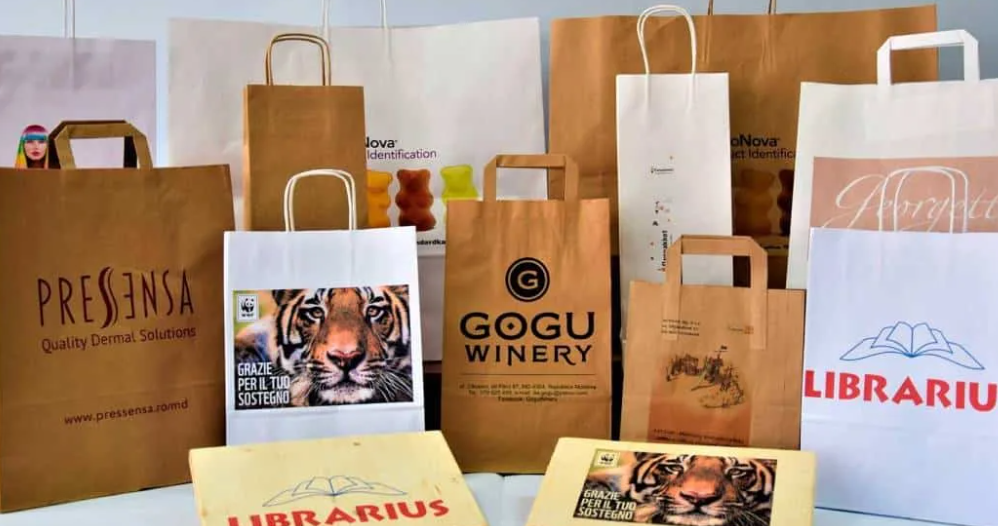
Sustainability should never mean settling for dull. Our designers treat structure, tactile finish, typography and colour as a single expressive system, so compostable materials become a canvas for genuine shelf presence. Uncoated kraft surfaces, plant-based inks, debossing, natural windows and considered proportions combine to give your product a handmade warmth that resonates with discerning buyers. Whether you present limited-edition brews, seasonal chocolate collections or tasting flights, we make sure the packaging amplifies the story of the workshop behind it. The outcome is packaging that customers want to hold, photograph and keep, turning every unboxing into a quiet act of brand advocacy.
Transparent End-of-Life Guidance
Compostable packaging only fulfils its promise when it actually reaches the right waste stream, so we design disposal clarity into every project. We advise on the on-pack icons, wording and sorting instructions that help customers understand exactly how to handle each component, whether it belongs in home composting, industrial composting or paper recycling. We keep claims honest and specific, avoiding the greenwashing that erodes trust, and we align messaging with the disposal realities of Benelux municipalities. This transparency protects your reputation, supports genuine circularity and turns a moment of disposal into a small, satisfying confirmation of the values your brand represents.
Lower Carbon Footprint by Design
Reducing environmental impact is a design decision made long before a pack is filled. We favour renewable, plant-derived feedstocks over fossil plastics, specify right-weighted structures that avoid unnecessary material, and keep transport distances short through regional sourcing. We consider how each choice affects manufacturing energy, freight emissions and disposal outcomes, then optimise the whole system rather than a single feature. Where useful, we help you gather data on packaging performance so future editions can be refined further. The result is packaging with a measurably lighter footprint, giving you credible substance to share in sustainability reports and with the conscious customers who increasingly expect it.